

Every day, we create more than 400 million terabytes of data. This includes newly generated, copied, and consumed data. With the ever-increasing popularity of the Internet of Things (IoT), this data generation rate will grow even more. Where is all...
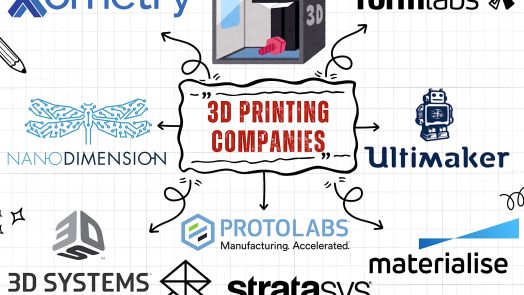
Once considered a niche technology, additive manufacturing is now revolutionizing industries, from automotive and aerospace to construction and healthcare. The automotive sector drives over 23% of the 3D printing market, while the healthcare segment...

Human interest in space exploration drove the development of advanced ground-based telescopes, with progress accelerating rapidly in the late 20th century. Ground-based telescopes, as you may know, have limited use because they can only observe...

The concept of the wristwatch dates back to the production of the earliest watches in the 16th century. We have come a long way since then. The design, features, and working principles of watches have evolved a lot over time. These days, expensive...
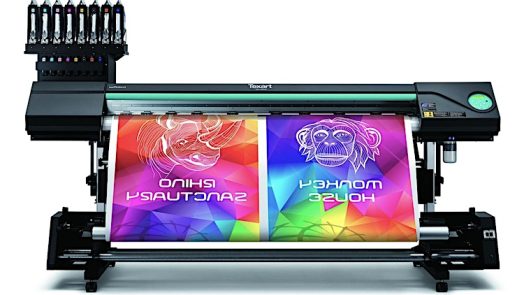
Printers are among the most common computer peripherals. They create hard copies of digital files, including text documents, images, or a combination of both. Different types of printers are designed for different tasks. For example, barcode...

Nuclear power plants, known for their incredibly high energy density, are a cornerstone in the quest for sustainable and reliable energy solutions. These plants house one or more nuclear reactors along with the necessary infrastructure to convert...

There isn’t an official definition of a yacht, but it’s commonly understood to be a large boat with cabins built for comfort and enjoyment. If it exceeds 40 meters in length, it’s often referred to as a superyacht. Modern...
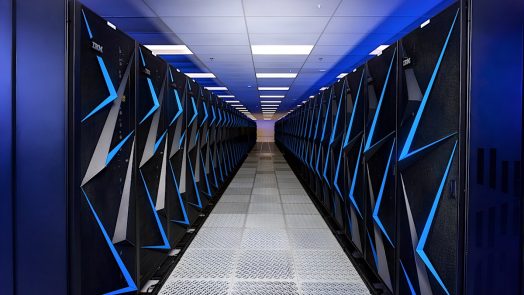
For most of us, a computer probably seems fast enough if it can run 8K videos or the latest version of Far Cry at 60 fps without slowing down. However, there are many complicated tasks that require billions of calculations per second –...

The word “computer” was first used in 1613 to describe a human who performed calculations. The definition remained the same until the end of the 19th century, when the tech industry gave rise to machines whose primary task was to...

The calculators we know today were first invented in the 1960s, and the use of smartphones as calculators began in the 1990s. However, that does not mean that mathematical tools weren’t available a century ago. Several computing machines were...
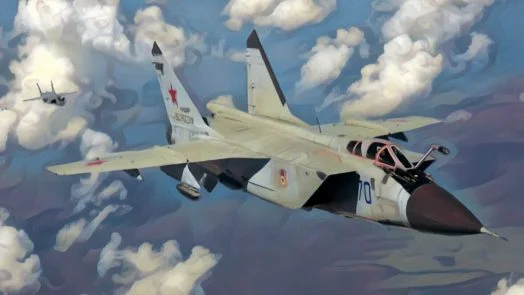
Can you guess the fastest airspeed an aircraft has ever achieved? It is close to 10,200 km/h or 6,300+ mph. Quite astounding. But the more important question is, how did we reach this level? In the late 1930s, when the first fully jet-powered...
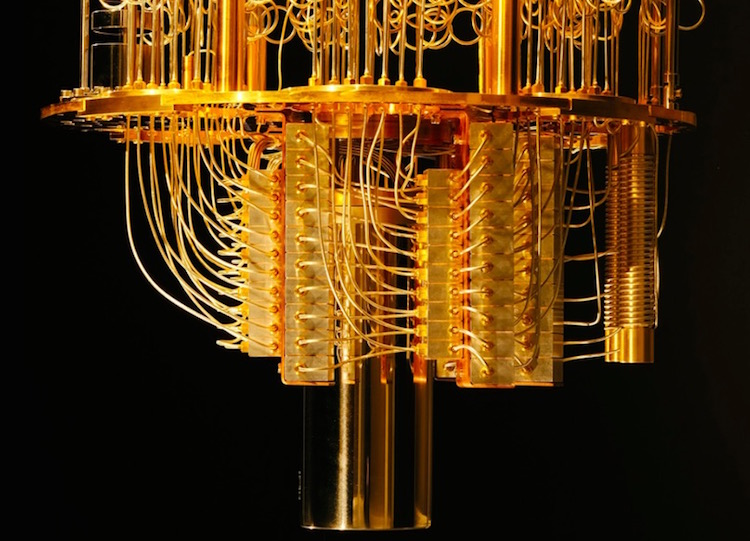
Tech giants like IBM, Google, Intel, and numerous startups are racing to develop new machines that utilize quantum mechanical phenomena like superposition and entanglement. Quantum computing will be extremely useful to the next generation of...