
Stainless steel belongs to a family of iron-based alloys that contain at least 11% chromium. This chromium makes the alloy rustproof and gives it extraordinary heat-resistant properties.
Due to their strength, durability, and versatility, the production of stainless steel alloys continues to increase worldwide each year. According to a GrandViewResearch report, the global stainless steel market size was valued at $117 billion in 2023 and is expected to exceed $117.6 billion by 2030, growing at a CAGR of 6.7%.
From surgical instruments and 3D printing to ornamental structures and rugged industrial use, these alloys offer a range of utility. Having a good knowledge of the unique properties of different stainless steel alloys is crucial, especially if you are a construction engineer or architect. This will not only help you ensure safe and long-lasting performance but also optimize costs.
Although stainless steel derives a significant portion of its corrosion resistance from chromium, countless combinations of other materials can be used to build stainless steel alloys.
For example, carbon, nitrogen, aluminum, titanium, molybdenum, copper, nickel, niobium, and selenium can be used in certain proportions to create stainless steel alloys with different properties.
All these alloys can be categorized into four different groups: Austenitic, Ferritic, Duplex, and Martensitic & Precipitation Hardening Stainless Steel. Within groups, you will find various grades that describe particular characteristics of the alloy, such as composition, corrosion resistance, magnetism, and toughness.
At present, there are more than 155 grades of stainless steel, each with a unique composition. In this overview article, we have featured the 16 most commonly used stainless steel grades along with their benefits and applications.
Table of Contents
Martensitic Stainless Steels
Martensitic alloys can be hardened and tempered through various techniques of heat/aging treatment. They can be low- or high-carbon steels, with a composition of iron, 11-17% chromium, and 0.01-1.2% carbon.
Martensitic steels are magnetic in both the hardened (heat-treated) and annealed condition. They are often used for applications that require incredibly high tensile strength and impact resistance.
16. Grade 410
Nominal Composition: 12.5% chromium, 0.11% carbon
Grade 410 alloys are general-purpose martensitic stainless steels with good corrosion resistance properties. These properties can be further enhanced by applying a series of processes like hardening, tempering, and polishing. A wide range of characteristics can be developed with different heat treatments.
They are generally used for applications involving high strength, mild corrosion, and heat resistance. For example, bolts, screws, nuts, gas and steam turbine components, pump and valve parts, and shafts.
15. Grade 416
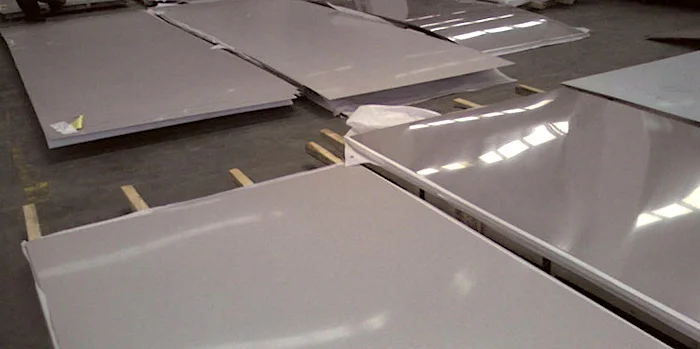 Grade 416 stainless steel plates
Nominal Composition: 13% chromium, 0.15% sulfur
The 416 alloy has the highest machinability of any stainless steel. This improvement in machinability comes from the addition of sulfur, which forms manganese sulfide. However, this addition slightly reduces the alloy’s corrosion resistance, weldability, and formability.
Due to its ready machinability and low cost, it is often used in hardened or unhardened and highly tempered conditions. Major applications include valves, pump shafts, motor shafts, washing machine components, and automatic screw-machined parts.
14. Grade 440C
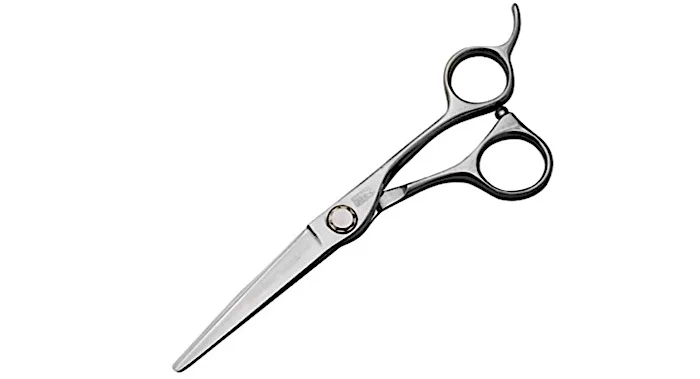
Nominal Composition: 17% chromium, 1.1% carbon
Grade 440C is a high-carbon martensitic stainless steel with incredible strength, good hardness and wear resistance, and moderate corrosion resistance. It has the highest strength, hardness, and wear resistance of all the 440-series steel alloys.
440C is used in rolling element bearings, high-quality knife blades, gauge blocks, valve components, and surgical instruments.
Ferritic Stainless Steels
With 10-18% chromium content, Ferritic alloys are the second most common form of stainless steel. They have good resistance to stress corrosion, resulting in lower material wear. In particular, they are highly resistant to chloride-stress-corrosion cracking.
Ferritic stainless steels are magnetic, non-heat-treatable steels with little or no nickel content. With a maximum nickel content of 1%, they are less expensive than austenitic steels and less prone to price fluctuations associated with the volatile nickel market.
13. AtlasCR12
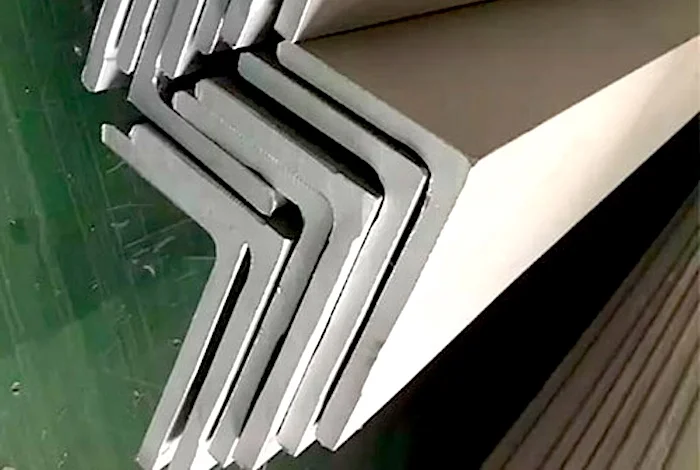
Nominal Composition: 11.5% chromium, 0.7% nickel
AtlasCR12 is a recent modification of grade 409 and 410 stainless steel. It has decent resistance to wet abrasion and slightly corrosive surroundings.
It is effective in a range of applications where galvanized or painted aluminum or carbon steel won’t work for an extended period. However, light surface rust can form in humid atmospheres, making the alloy inappropriate for decorative applications.
At present, AtlasCR12 is used to manufacture sugar-processing machines, furnace and oven components, mining and mineral-processing systems, and transport equipment.
12. Grade 409
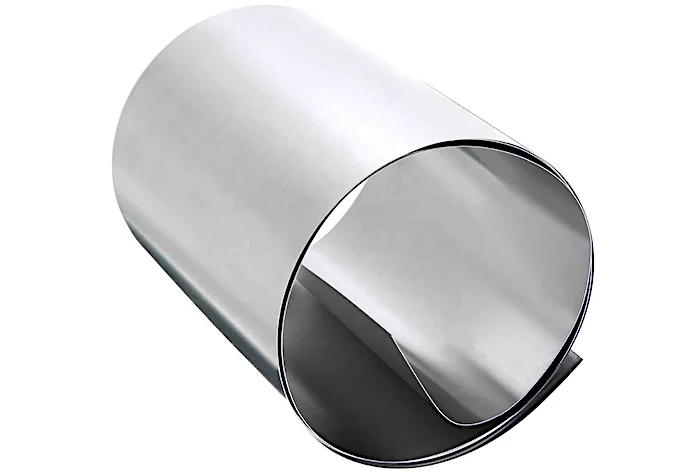 Grade 409 stainless steel coil
Nominal Composition: 11% chromium, 0.25% nickel
Grade 409 offers decent formability and economical corrosion resistance (better than carbon steel). It contains low carbon levels and a very small amount of titanium to prevent austenite formation.
This makes the steel non-hardenable when exposed to annealing temperatures and when welding. The addition of titanium not only stabilizes the alloy to prevent hardening during welding but also prevents the formation of chromium carbides.
This grade is mostly used in applications where appearance is a secondary consideration to corrosion resistance and mechanical properties, especially at elevated temperatures. For example, home heating systems, automotive exhaust systems, fuel filters, electrical transformer cases, etc.
11. Grade 430
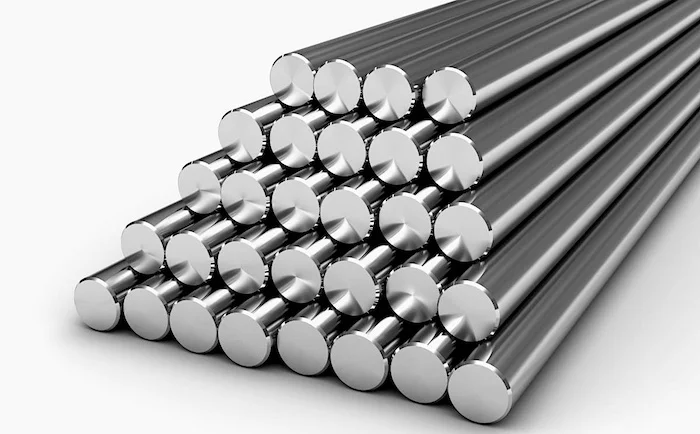 Grade 430 steel round bars
Nominal Composition: 16% chromium, 0.5% silicon
Grade 430 is known for its formability, impressive corrosion resistance, and practical mechanical properties. It is resistant to citric acid, nitric acid, and sulfur gases.
This alloy is usually available in bar form, making it easy to use in automatic screw machines. And since it contains no nickel or molybdenum, it is less costly than any of the 300-series stainless steels.
Grade 430 is primarily used to construct warehouses and transport devices for the sugar industry, rail and road vehicles, sound absorbers, and container buildings.
Austenitic Chromium-Nickel Alloys
Classified in the 300 series, austenitic alloys are the most frequently used types of stainless steel. They tend to have 16-30% chromium and 2-20% nickel. The high chromium and nickel content compared to other steel alloys gives them enhanced corrosion and wear resistance.
Although they tend to be non-magnetic, some austenitic (depending on the composition) steels become magnetic after cold working. Here is the breakdown of the most common varieties of austenitic stainless steel.
10. Grade 301
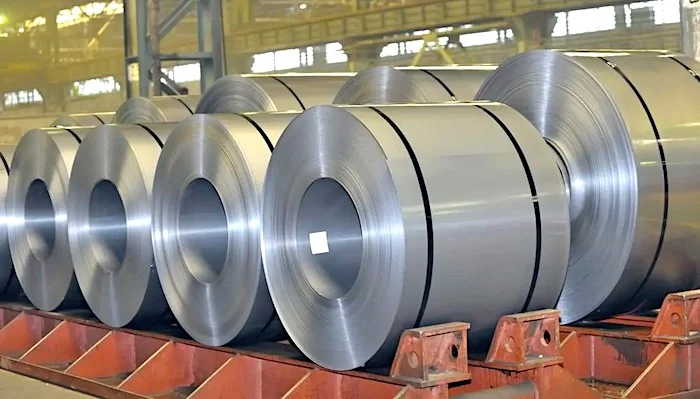 Grade 301 sheets
Nominal Composition: 17% chromium, 7% nickel
Grade 301 is available in both annealed and various temper-rolled conditions. It is well suited to forming, welding, and drawing. It can go without melting at temperatures below 1421°C.
Excellent corrosion resistance and high strength make grade 301 stainless steel useful in a broad range of applications. Typically, it is used to manufacture aircraft structural components, automobile wheel covers, storm door frames, highway trailer parts, toaster springs, conveyor belts, and roof drainage products.
9. Grade 302hq
 Grade 302hq wire
Nominal Composition: 18% chromium, 9% nickel, 2.5% copper
This specialized wire grade is commonly used to make stainless steel fasteners. The addition of copper reduces the rate of cold work hardening compared to other similar steel alloys.
With a density of 8027 kg/m3, 302HQ grade offers impressive corrosion resistance. It is resistant to potable water containing up to 200 mg/L chlorides at ambient temperatures. It resists nitric acid, sulfuric acid (moderately), and halogen acids and halogen compounds poorly.
302HQ steel is a standard metal for making light machine screws and self-tapping screws. It is also used for manufacturing some blind rivets, bolts, and set screws.
8. Grade 303
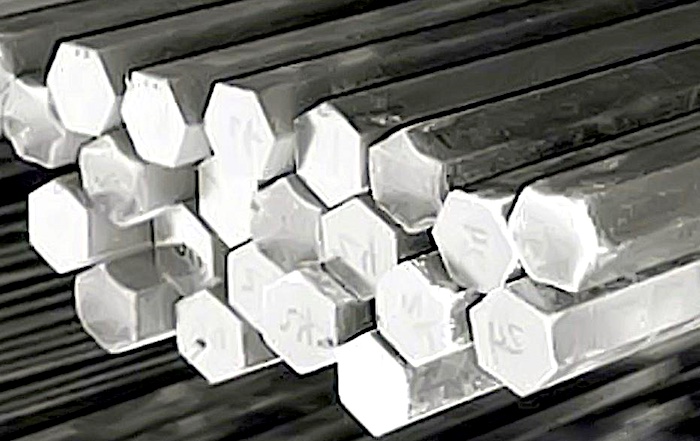 Hex bar grade 303
Nominal Composition: 18% chromium, 9% nickel, 0.5% sulfur
Also known as a “Ugima” improved machinability grade, stainless steel grade 303 is mainly used where manufacturing processes involve extensive machining in automatic screw machines.
The machinable nature comes from the inclusion of sulfur in its composition. While sulfur improves machining, it also slightly reduces corrosion resistance and toughness.
Grade 303 is typically available as round, square, and hexagonal steel bars. They are perfect for making screws, gears, shafts, nuts, bolts, and aircraft fittings.
7. Grade 304
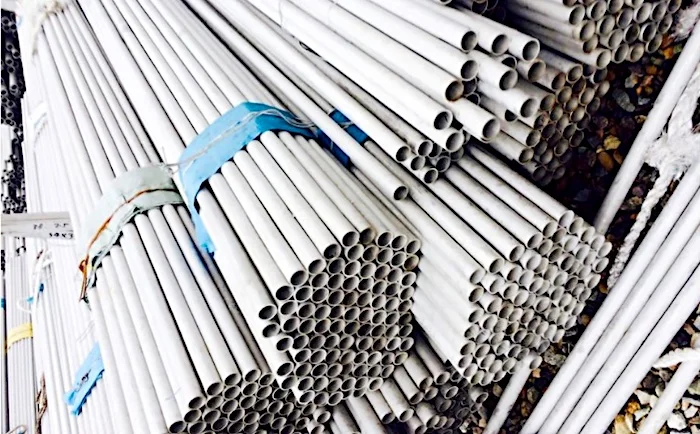 Grade 304 pipes
Nominal Composition: 18% chromium, 9.5% nickel
Grade 304 is the most popular stainless steel that can be easily formed into various shapes. It can withstand up to 90 ksi of pressure before mechanical failure.
Although this grade has excellent resistance to the atmospheric environment and several corrosive media, it is subject to stress corrosion cracking at higher temperatures (above 60°C) and to crevice corrosion in warm chloride environments.
Common applications of 304 stainless steel include commercial food processing equipment, piping, heat exchangers, utensils, and appliances such as refrigerators and dishwashers.
The low-carbon version of this stainless steel, grade 304L, doesn’t require post-weld annealing and is mainly used in heavy-gauge components. The higher carbon version, grade 304H, provides optimal high-temperature strength and is often used for structural applications at temperatures between 500°C and 800°C.
6. Grade 310
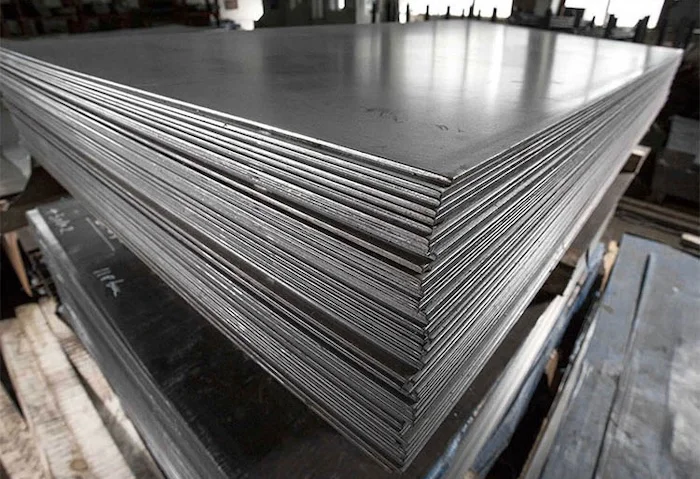
Nominal Composition: 25% chromium, 20% nickel
Grade 310 is available in many different forms, including sheet, strip, bar, rod, plate, wire, tube, and pipe fittings. It is specifically designed for high-temperature applications, such as heat-treatment equipment and furnace parts.
This alloy is used at temperatures up to 1035°C in intermittent service, and 1150°C in continuous service. Typical applications include fluidized bed combustors, burners and combustion chambers, refractory anchor bolts, cryogenic structures, and food processing equipment.
5. Grade 316
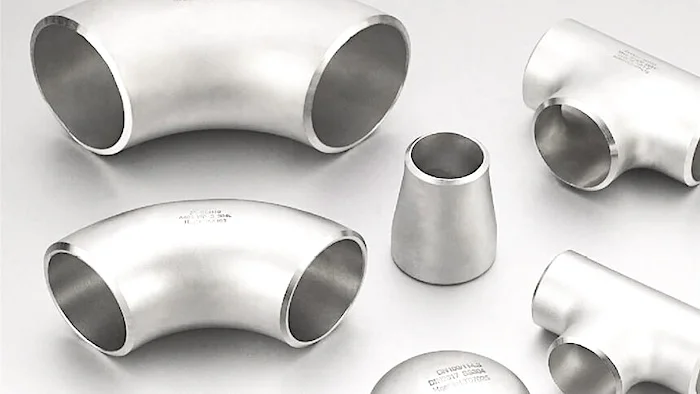
Nominal Composition: 17.5% chromium, 11.5% nickel
Grade 316 is the second most popular stainless steel alloy (after grade 304) in terms of commercial importance. In addition to excellent forming and welding properties, it has a higher resistance to crevice corrosion than grade 304. It doesn’t require post-weld annealing when welding thin sections.
Although grade 316 is also referred to as marine-grade stainless steel, it is not completely resistant to warm ocean water. It does exhibit surface corrosion (usually visible as brown staining) in several marine environments.
Since grade 316 offers better resistance, it is preferred for making pharmaceutical equipment, medical tools, stainless steel floats, and commercial kitchen appliances.
The low-carbon version of this alloy, Grade 316L, is immune to grain boundary carbide precipitation (sensitization). Therefore, it is mainly used in heavy-gauge welded parts. The high carbon version, Grade 316H, offers greater strength at elevated temperatures and is often used for structural applications above 500°C.
4. Grade 321
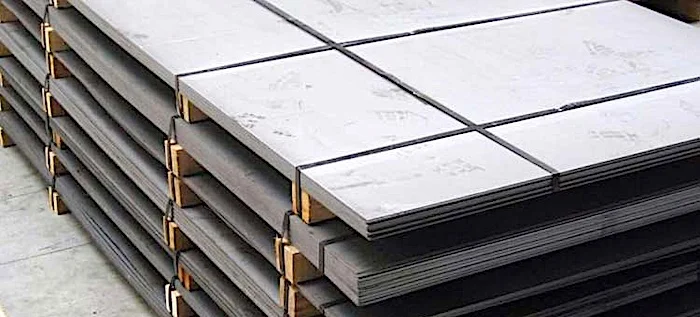
Nominal Composition: 18% chromium, 11% nickel
Grade 321 is a titanium-stabilized austenitic stainless steel with impressive strength and excellent corrosion resistance to most oxidizing agents, nitric acid, and various inorganic chemicals.
Although it cannot be hardened by thermal treatment, its hardness and strength can be increased significantly by cold working, at the expense of ductility.
Grade 321 is extensively used in high-temperature tempering components, heavy-duty automotive exhaust systems, boiler casings, radiant superheaters, firewalls, and welded pressure vessels.
Duplex
Duplex stainless steels combine the features of ferritic and austenitic alloys. More specifically, they have a two-phase microstructure containing grains of ferritic and austenitic stainless steel.
This type of steel offers several advantages. It is often selected over conventional austenitic or ferritic stainless steels due to its enhanced yield strength. Furthermore, thinner sections of duplex steel can be manufactured, providing substantial weight savings. This makes duplex alloys a preferred choice for pressure vessels and structural applications.
3. LDX2101
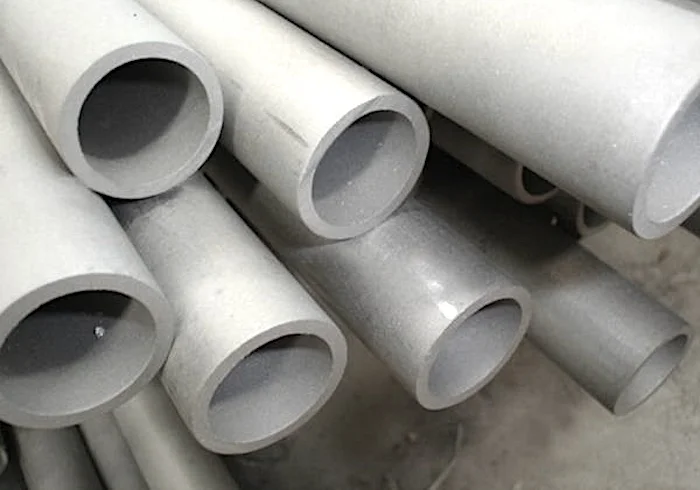 Duplex steel 2101 tubes
Nominal Composition: 21.5% chromium, 1.5% nickel
LDX2101 has a useful combination of high strength and corrosion resistance. Since it contains low nickel content and almost no molybdenum, it is a cost-efficient alternative to 304 or 316 grade stainless steel.
LDX2101 offers corrosion resistance similar to 316L and better than 304L. It also has higher resistance to chloride stress-corrosion cracking and greater strength than standard 300-series stainless steel.
Due to its unique and incredible characteristics, it is used in all structural and pressure applications that require good corrosion resistance and high strength at an economical cost. For example, this alloy is extensively used to construct wastewater handling systems and biodiesel and ethanol plants.
2. Grade 2205
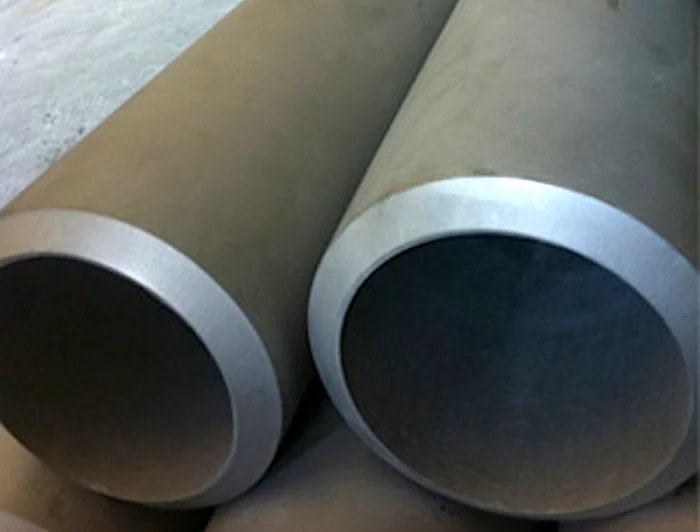
Nominal Composition: 22% chromium, 5.5% nickel
Grade 2205 is a nitrogen-enhanced duplex stainless steel that contains austenite pools surrounded by a continuous ferrite phase. The combination of chromium, nitrogen, and molybdenum makes the alloy resistant to chloride pitting and crevice corrosion.
2205 steel is available in almost all forms, including sheet, bar, plate, welding wire, tube, and various fittings.
Sometimes referred to as the workhorse grade, 2205 is the most widely used stainless steel in this duplex family. Its corrosion resistance and high strength make it suitable for applications in marine environments, closed-loop water systems, bleaching operations, and some food processing applications.
1. Super Duplex 2507
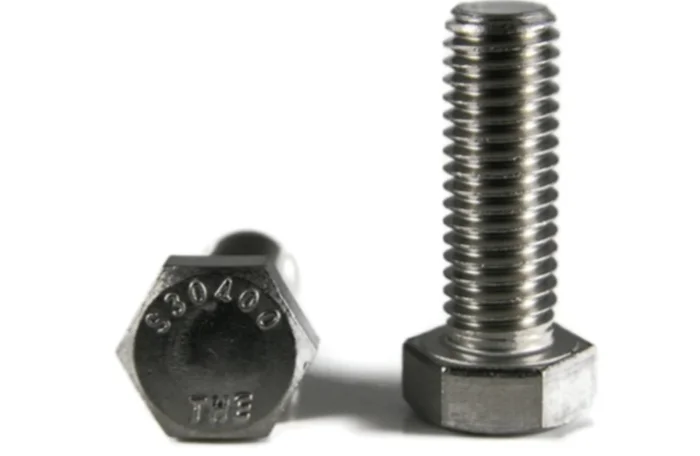 Grade 2507 fasteners
Nominal Composition: 25% chromium, 7% nickel
Super duplex stainless steel is designed for applications that demand exceptionally high strength and corrosion resistance. It possesses exceptional mechanical properties, including high impact strength, good machinability, and weldability.
A light-gauge 2507 alloy is often used to achieve the same design strength as a thicker nickel alloy. This drastically reduces the overall fabrication cost.
2507 stainless steel is widely used in water desalination, oil and gas production, petrochemical, and the marine sector. Some common applications include cargo tanks, hydraulic piping, heat exchangers, fasteners, spiral wound gaskets, storage vessels, and lifting and pulley equipment.
Frequently Asked Questions
What is the safest stainless steel?
The 300 series stainless steel is very safe as long as you do not cook acidic foods in it, which increases the risk of leaching. Grades 304 and 316 are very popular for cookware. Both are durable and highly corrosion-resistant.
What is the cheapest grade of stainless steel?
One of the least expensive stainless steels is grade 409 because it contains less chromium and very little nickel. This grade is preferred for interior and exterior components in non-critical corrosive environments.
Is stainless steel recyclable?
Theoretically, all types of stainless steel are recyclable. In the real world, however, there are limits to how much can be economically recovered.
Compared to other materials, steel is the most recycled metal on Earth. According to the Steel Recycling Institute, 1 ton of recycled steel saves nearly 1,150 kilograms of iron ore, 650 kilograms of coal, and 50 kilograms of limestone.
In fact, recycling stainless steel saves nearly one-third of the energy used in global austenitic stainless steel production. In an ideal situation, where all stainless steel is made entirely from recycled material, global energy use for steel production could be reduced by about half.
Read More



This is a great article. How did you choose the top 15? Do you have any sources?